Selling a Home That Needs a New Roof: Costs and Options
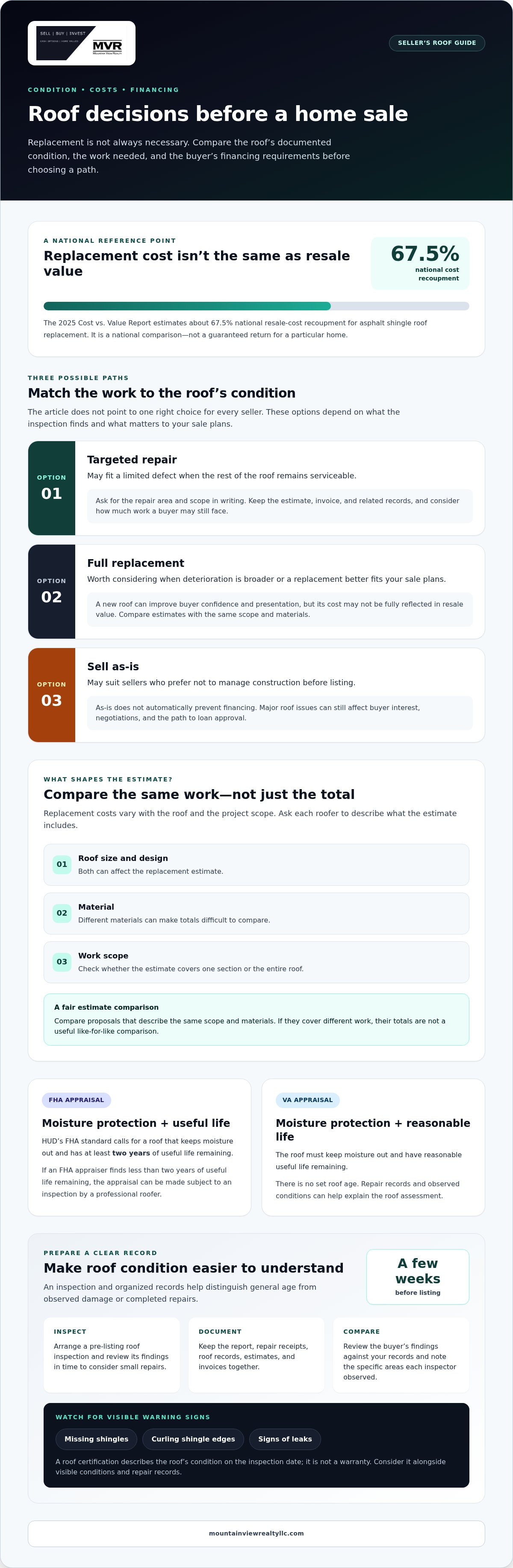
Replacing the roof before selling isn’t always the best move. Selling a home that needs a new roof can still be an option if the roof is older but in good condition. For an FHA appraisal, the U.S. Department of Housing and Urban Development says the roof must keep moisture out and have at least two years of useful life remaining.
It’s understandable to worry that a worn roof could delay a sale, narrow the buyer pool, or lead to a major expense. The roof’s actual condition, the buyer’s financing, and the cost of repairs all matter. A full replacement may make sense in some situations, while a repair or as-is sale may better fit your priorities.
This article explains how to weigh those options, what can affect roof replacement costs, and how roof condition may influence a buyer’s loan approval. You’ll also learn what an as-is sale can involve, so you can compare paths and choose one that fits your priorities.
Key Takeaways
- Use a roof inspection and clear documentation to distinguish manageable wear from damage that could affect a sale.
- Compare targeted repairs with full replacement, weighing the roof’s condition, materials, and likely effect on buyer interest.
- An as-is sale may still be possible, but major roof issues can affect a buyer’s financing and the path to closing.
- A new roof can improve buyer confidence, but its cost may not be fully reflected in the home’s resale value.
- Consider whether a conventional sale, CashOffer+, or Renovate & Sell best fits your priorities and the home’s condition.
Should I replace my roof before selling?
Not always. The roof’s condition matters more than its age alone. According to the U.S. Department of Housing and Urban Development, an FHA appraisal requires a roof that keeps moisture out and has at least two years of useful life remaining.
This video covers roof replacement decisions and alternatives sellers may consider.
Pre-Listing Roof Inspections and Documentation
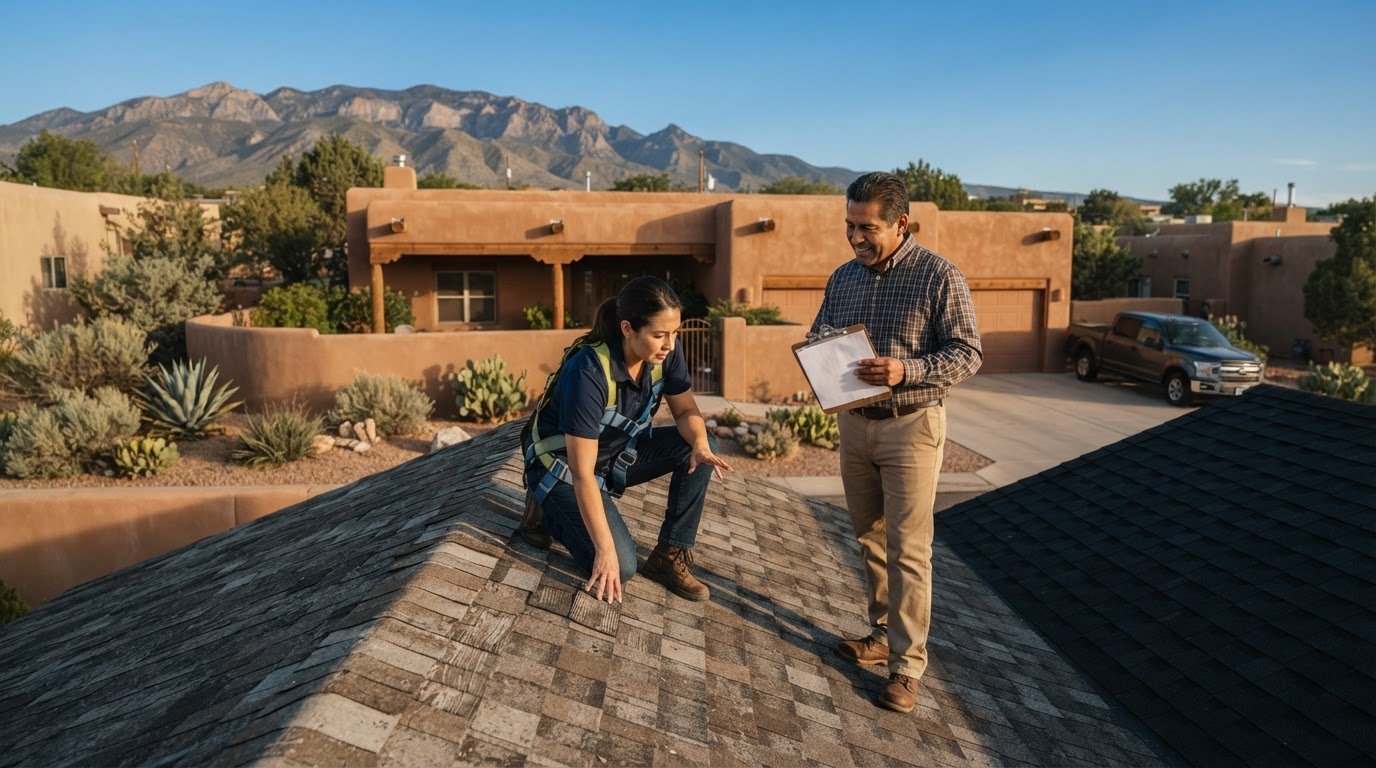
A pre-listing roof inspection documents the roof’s observed condition before your home goes on the market. Schedule it a few weeks before listing to leave time to review the findings and address any small repairs.
Keep the report, repair receipts, and existing roof records together. If the inspection identifies a repaired area, for example, an invoice can show what work was completed. These records give buyers specific information to consider and help you describe the roof accurately in the listing.
Use the report to distinguish observed defects from general age. A roof may be near the end of its useful life and still function, so documentation helps explain its current condition without suggesting that age alone means replacement is necessary.
Buyer Inspections and Roof Warning Signs
A buyer’s home inspection may identify visible roof problems that affect their assessment of the property. Common warning signs include missing shingles, curling shingle edges, and signs of leaks.
Each observation needs context. A missing shingle may point to a localized issue, while evidence of water entry can raise concerns about the home’s protection. Buyers may use the inspection report to ask about the condition, repairs, or next steps before moving forward.
Compare the buyer’s findings with your pre-listing report and records. If the reports differ, note the specific areas each inspector observed. This makes follow-up discussions more focused than relying on a broad description such as “older roof.”
Roof Condition in Financing and Appraisals
Roof condition can affect an appraisal if the roof appears unable to protect the home or has limited useful life remaining. For an FHA appraisal, HUD’s standard is that the roof keeps moisture out and has at least two years of useful life remaining.
If an FHA appraiser determines that the roof has less than two years of useful life remaining, the appraisal can be made subject to an inspection by a professional roofer. This makes the roof’s documented function relevant alongside its age.
For a VA appraisal, the roof must keep moisture out and have reasonable useful life remaining; there is no set roof age. Records of repairs and observed conditions can help buyers understand what the roof assessment addresses.
Roof Certifications and Visible Damage
A roof certification describes the roof’s condition on the inspection date; it is not a warranty. Buyers can consider it as a dated assessment alongside visible conditions and repair records.
Visible damage still matters. Missing shingles, curled edges, or signs of leaks may prompt questions, even when a certification is available. For example, presenting the certification with receipts for completed work helps buyers distinguish documented repairs from issues that remain.
Keep the report and supporting documents together for the listing. This gives buyers a clearer record of what the specialist observed and when the assessment took place.
Roof replacement costs
Whether to replace, repair, or sell as-is depends on the work needed and how the roof fits your sale plans. A limited repair may address a specific defect; broader deterioration can make replacement worth considering. Selling as-is remains an option if you prefer not to manage construction before listing, though the roof’s condition may affect buyer interest and negotiations.
Roof replacement costs vary with the roof’s size, design, material, and the work involved. Ask for an estimate that clearly describes the scope, including whether the work covers one section or the entire roof. Compare estimates for the same scope rather than looking only at the total. If they specify different materials or work, their totals won’t provide a useful comparison.
A repair may be appropriate when the problem is limited and the rest of the roof remains serviceable. Ask for a clear description of the area to be repaired and keep the estimate, invoice, and related records. If the roofer identifies broader deterioration, compare the proposed repair with full replacement. Consider how much work buyers might still face after the repair.
A new roof can improve a home’s presentation, but replacement cost and resale value are not the same measure. The 2025 Cost vs. Value Report puts national resale-cost recoupment for asphalt shingle roof replacement at about 67.5%. That figure describes a national comparison, not a guaranteed return for a particular property. The home’s condition, materials, and local buyer response all matter when considering its sale price.
Use the same evidence to guide pricing: the roof’s documented condition, the proposed work, and the home’s position in the market. A buyer may value a completed project differently from a seller, especially if the replacement material or scope doesn’t match their priorities. A clear record of the work and its purpose can make negotiations more specific than a general price reduction.
Before listing, organize estimates, invoices, and decisions in a project journal. Note which repair each document covers and whether the work is complete. This gives buyers a coherent account of the roof project without presenting an estimate as a final cost or implying that every roof needs full replacement.
To consider how roof work fits your selling plans, explore home sale options.
Will selling as-is affect the buyer’s loan approval?
An as-is sale doesn’t automatically prevent financing, but serious roof damage can complicate approval. A lender’s response depends in part on whether the roof still protects the home or needs major repairs.
Roof Condition and Buyer Loan Approval
Roof condition can affect loan approval when an appraisal or inspection identifies major repairs. Minor roof maintenance typically doesn’t affect a buyer’s loan approval in an as-is sale. By contrast, lenders commonly make major repairs a condition of approval when a roof is near the end of its useful life or needs significant work.
That distinction can shape the transaction. Missing shingles on a functional roof may be viewed differently from active water entry or widespread damage. An escrow holdback for replacement requires lender approval and typically applies to minor issues, not extensive repairs.
Financing and Insurance Concerns
A roof issue can matter to both the lender and the buyer’s insurer. The lender focuses on the property securing the loan, while homeowners need insurance coverage for the home. If visible damage raises questions about water protection, either part of the transaction may need more attention.
Share available inspection reports, repair records, and roof certifications with buyers. These documents help them understand the roof’s condition and provide details for financing or insurance discussions. For example, a report distinguishing an isolated repair from an active leak offers more context than a listing that simply calls the roof old.
Buyer Types and Roof Concerns
Buyers may weigh roof work differently. Someone planning renovations may be prepared to take on repairs, while a buyer relying on a mortgage needs the home to meet the lender’s conditions. A buyer seeking a move-in-ready property may also pay closer attention to missing shingles, signs of leaks, and the prospect of arranging roofing work.
These differences can affect interest and timing. Clear documentation helps buyers assess the work involved, compare it with their plans, and decide whether an as-is offer suits their budget and intended use.
Disclosures, Rules, and Repair Delays
For roof problems, provide an accurate written account of known issues through the applicable seller disclosure process. Requirements depend on the jurisdiction and transaction. Describe observed damage and share relevant inspection or repair records rather than minimizing a known problem.
Local building departments determine which codes and permits apply to replacement work. Insurance rules also vary by carrier and property condition. Before replacement begins, identify the requirements for the planned work and retain related records for buyers.
Delaying a repair while your home is listed can allow an active leak to cause further interior damage. It may also leave buyers, inspectors, and the lender responding to a changed condition later in the transaction. If water entry or damaged shingles worsen, update the property information and keep records of the change and any work completed.
How much value does a new roof add to a house?
A new roof can improve a home’s appeal, but it doesn’t automatically add its full cost to the sale price. Buyers assess roof condition alongside the home’s overall maintenance, location, and comparable properties.
Roof Condition, Safety, and Insurability
A sound roof helps protect the home from moisture, while visible damage can raise questions about its condition and insurability. Age matters, but material and maintenance also shape how buyers assess a roof.
Expected lifespans vary by material. Asphalt shingles can last 25 years or longer, while composite or synthetic shingles can last up to 25 years. Metal roofing can last 50 or more years; cement, clay, or tile roofing can last 50 to 100 years. Slate roofs can last nearly 100 years. These ranges help frame buyer questions, but the roof’s observed condition remains important.
Insurance can also affect a buyer’s decision. Some insurance companies may refuse to issue a new policy for a home with a roof more than 20-25 years old. A documented assessment from a licensed roofing professional can help explain the roof’s current condition. Buyers can then consider that information alongside their coverage options.
Roof Age and Home Sales
Roof age can influence buyer interest because it signals potential maintenance, not necessarily an immediate need for replacement. Buyers may view a well-maintained older roof differently from one with active leaks or visible damage.
Expectations can also vary by price point. Buyers paying $600,000 or more are described as expecting move-in condition and having less tolerance for deferred maintenance. In that setting, an aging roof may affect appeal even if it still functions. Buyers may ask about its material, installation records, repairs, or remaining useful life before deciding whether the home fits their plans.
For sellers, the practical distinction is between age and condition. Inspection reports and repair records help explain the difference and give buyers information to consider before making an offer or moving toward closing.
Pricing and Negotiating Around Roof Condition
Roof condition can shape pricing and negotiations, but there’s no single adjustment that applies to every home. Buyers may compare the roof with nearby listings, the home’s overall condition, and the work they expect to take on. Market conditions influence each party’s negotiating position.
A written roofing assessment can help explain known issues and support the asking price. If the roof needs work, negotiations might address a repair, a price adjustment, or another agreed approach. A new roof may improve appeal, but buyers also consider whether its material and workmanship suit the property.
Before setting a price, compare the roof’s documented condition with the home’s broader value and likely buyer expectations. This keeps the discussion grounded in the property instead of treating replacement as a guaranteed increase in sale value.
Options for selling with an older roof
Yes, you can sell a home with a roof that needs replacement. An older roof that remains in good condition can also be sold as-is. The choice depends on the roof’s actual condition, the likely buyer pool, and how much preparation you want to manage before listing.
Start with your priority. If you want to avoid organizing major work, an as-is sale may fit, provided you accurately describe known roof issues. Selling a home that needs a new roof doesn’t automatically mean replacing it first. Buyers can assess the roof alongside the property’s other features and decide whether it suits their plans.
A targeted repair may make sense when the roof assessment identifies a specific defect rather than widespread problems. If a roofer identifies one damaged area, for example, compare the proposed repair with the surrounding roof’s condition. Keep the estimate and invoice together so buyers can see what the repair addressed rather than having to infer its scope from the roof’s appearance.
Replacing the roof before listing is another option if its condition could make the property harder to evaluate or finance. Consider the full project scope, the disruption to your plans, and whether a completed roof supports your preferred presentation. Selling a home that needs a new roof involves weighing these practical trade-offs, not simply choosing the most extensive work available.
You can also discuss a negotiated approach with a buyer. Depending on the transaction and financing, the parties might consider a price adjustment or repair arrangement instead of replacing the roof before listing. Put any agreement in writing and ensure it reflects the inspection findings and sale terms.
To compare your options, consider what the roof assessment says, how much preparation you’re willing to manage, and how buyers may interpret the available records. An older roof in good condition can present differently from one with active damage. Explain the distinction using your documentation, and don’t suggest a repair resolved issues beyond its scope.
Before choosing a path, organize your roof records and decide what matters most: less pre-sale work, a completed project, or flexibility in negotiations. That gives you a clear basis for discussing the property and its roof with prospective buyers.
Mountain View Realty LLC: CashOffer+
Mountain View Realty LLC’s CashOffer+ gives sellers an option when roof work complicates a traditional listing. It may suit sellers who prefer to explore a sale without coordinating roof replacement first. The right choice depends on your priorities, the home’s condition, and how much preparation you want to manage.
If you prefer to address improvements before selling, Renovate & Sell may be a better fit. Home Trade-In and Short Sale offer other paths for sellers with different circumstances. Comparing these options can help you decide whether to sell as-is, prepare the property, or explore another transaction approach.
For guidance comparing the options for your home and goals, contact Mountain View Realty LLC.
Choose the Sale Path That Fits Your Next Move
Selling a home that needs a new roof is also a decision about how you want to spend your time and manage the transition. Before committing to a plan, consider what a successful sale means to you. You may value a simpler preparation process, more control over improvements, or a clear move-out timeline. Those priorities can guide your next conversation.
In Albuquerque and nearby New Mexico communities, every property has its own condition, buyer expectations, and timing considerations. A thoughtful sale strategy connects those details with your plans after closing. Rather than treating the roof as the only decision, consider how selling the home fits your broader financial and personal goals.
A trusted real estate advisor can help you compare possible paths and decide what deserves attention first. You can move forward with a clearer plan and make choices that reflect what matters most to you.
Your next step can be measured and informed, guided by a plan that supports the transition ahead.
Frequently Asked Questions
Should I repair my roof or sell as-is?
Repair the roof when a focused fix addresses the documented problem and supports your selling plans. Selling as-is may suit a roof that remains functional or a seller who prefers not to manage repairs before listing. For example, a roofer’s assessment may show that only a small area needs attention. Compare that scope with buyer expectations, the home’s overall condition, and whether the roof could affect financing.
Should you adjust the sale price or negotiate?
Use the roof’s documented condition to guide pricing and negotiations instead of choosing an arbitrary discount. You might set an asking price that reflects known roof work, then consider an offer alongside its other terms. A buyer may request a repair or propose a different arrangement. Compare the proposal with inspection findings and the home’s overall market position before agreeing to terms.
The Real Question: What Are Buyers Actually Seeing?
Buyers assess evidence, not just a roof’s age. They may notice missing shingles, curled edges, or signs of leaks, then compare those observations with the inspection report and repair records. A dated roof with no visible damage presents a different picture from one showing water entry. Clear documentation helps explain what buyers can see and what prior assessments found.
What are the most important things to fix before selling a house?
Prioritize problems that affect the home’s protection, safe access, or a buyer’s understanding of its condition. For roof work, start with active leaks or visibly damaged shingles, then review the inspection findings for related concerns. Addressing a defined issue can make the property easier to assess. Keep invoices and notes showing what work was completed so buyers can connect repairs with the original concern.
What is a roof certification letter?
A roof certification letter records a roofing specialist’s assessment on the inspection date. It can give buyers a clearer snapshot than an age estimate alone, but it isn’t a warranty or promise of future performance. If a seller provides one with repair records, for example, buyers can consider both the specialist’s observations and the work completed.
How much does a roof replacement increase home value or sale price?
A replacement may improve buyer appeal, but its effect on sale price depends on the home and local market. Buyers may value a completed project because it removes an immediate repair concern, while also weighing the roof material, workmanship, and property features. Compare nearby homes with similar condition and features, and treat any expected value change as part of the overall pricing decision.
Can buyers get a mortgage or homeowners insurance for a house with a bad roof?
Sometimes, but major roof problems can complicate both financing and insurance. A lender commonly makes major repairs a condition of loan approval when the roof needs substantial work or is near the end of its useful life. Insurers may also consider roof age and condition; some may refuse a new policy for roofs more than 20-25 years old. Buyers should factor both issues into an offer.
Can a seller offer a roof credit or lower the sale price instead of replacing the roof?
Yes, a seller and buyer can discuss a price adjustment or another negotiated solution instead of replacing the roof before closing. The buyer’s financing can affect which arrangement works: an escrow holdback for roof replacement requires lender approval and typically applies to minor issues. A credit or price change doesn’t automatically resolve an appraisal or loan concern, so base negotiations on the inspection findings and transaction terms.

Article by
Robb Krautbauer
Robb Krautbauer is the Owner and Qualifying Broker of Mountain View Realty, serving Albuquerque, Rio Rancho, Santa Fe, and surrounding New Mexico communities. With more than a decade of real estate experience, Robb specializes in luxury homes, strategic home marketing, and helping homeowners navigate important life transitions with confidence.
Known for combining luxury-level marketing, AI-powered technology, and innovative selling strategies, Robb helps clients maximize their home's value while creating a smooth, personalized selling experience. Whether assisting luxury homeowners, retirees, families downsizing, or real estate investors, his focus is always on delivering expert guidance, honest advice, and exceptional results.
When he's not helping clients achieve their real estate goals, Robb enjoys studying market trends, emerging technology, and investment strategies that keep Mountain View Realty at the forefront of the industry.
Disclaimer
**Disclaimer:** The information provided in this article is for general educational purposes only and should not be considered legal, tax, financial, or professional advice. Real estate laws, market conditions, and regulations change over time and may vary based on your individual circumstances. Before making any real estate decision, consult with qualified legal, tax, or financial professionals. If you have questions about buying or selling real estate in New Mexico, contact Mountain View Realty for guidance specific to your situation. © 2026 Mountain View Realty. All rights reserved. The content on this website may not be reproduced without written permission.


